A three-year sheep health project between Sainsbury’s, Dunbia and MSD Animal Health, exploring the benefit of vaccination against endemic diseases following the NOAH Category One Livestock Vaccination Guidelines, has more than halved lameness levels across ten Welsh sheep farms — saving an estimated £54,000 per year1 and slashing antibiotic use.
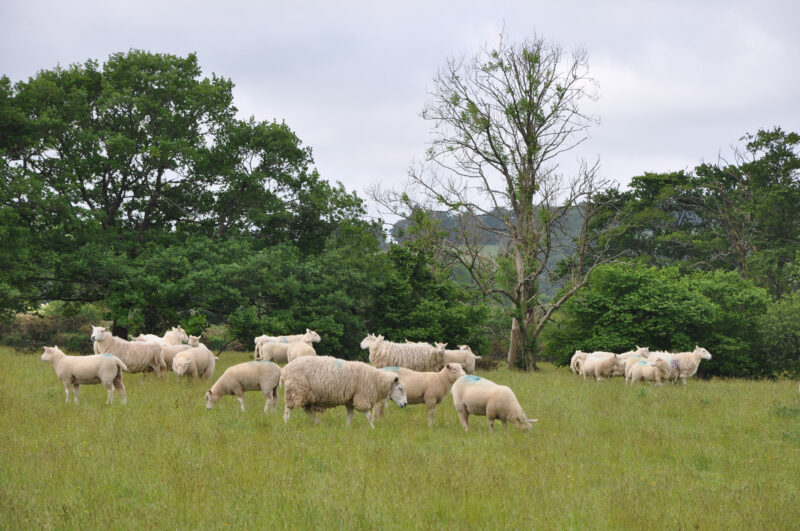
Involving just under 6,000 ewes across hill, upland and lowland systems, the project, which started in 2022, aimed to cut flock lameness towards the 2% Farm Animal Welfare Committee (FAWC) target while lowering antimicrobial use.
Over the project’s duration, average flock lameness fell from 6.3% to 2.7%, thanks to rigorous application of the Five Point Plan — treat, cull, avoid, quarantine, and vaccinate — and ongoing monitoring using MSD Animal Health’s sheep lameness control planner.
The plan provides a clear framework for tackling lameness and, when implemented properly, builds resilience, reduces infection pressure and improves immunity,” said Sonja van Dijk from the MSD Animal Health Market Access Team.
“All ten farms improved their lameness control scores by 94%, rising from 12 to 23 out of 25 — and that translated directly into healthier sheep and financial gains.”
Before the project began, lameness was estimated to be costing the ten farms a collective £84,000 a year in lost productivity and medicine. By 2025, that had fallen to £30,000 — a £54,000 annual saving.
The benefits of vaccination with Footvax® also stood out. “Vaccination cost just £2.58* per ewe per year yet delivered savings of £11.42 per ewe per year — more than a fourfold return,” Ms van Dijk added.
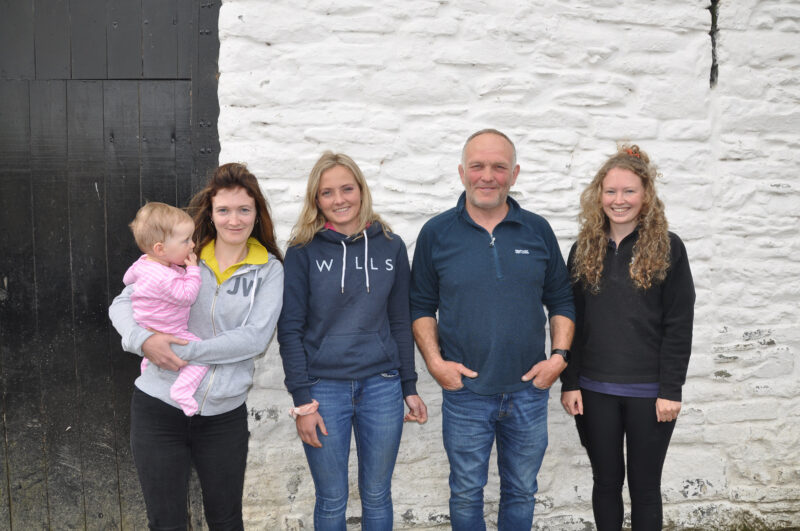
Gerwyn Evans and his family, who farm 950 Welsh and Welsh cross ewes plus 220 ewe lamb replacements on a 640-acre hill unit in Tregaron, Ceredigion, were involved in the project and saw lameness prevalence drop from 8.8% in 2022 to just 0.8% by the end of 2024.
“We’re delighted that lameness has fallen to such a manageable level, especially through some of the wettest weather we’ve ever had,” said Gerwyn.
“This has always been our biggest flock health challenge — and our daughters were spending hours catching and treating lame sheep. But being part of the project helped us really focus on the issue. The difference has been transformative.”
They are now much stricter on culling repeat offenders and quarantine all incoming rams for at least four weeks. Gerwyn added: “Vaccination has made a huge difference too — we started Footvax® in 2023. It’s a no-brainer — vaccine is far cheaper than constant use of antibiotics, which we want to move away from anyway.”
Leisia Tudor, Agriculture Manager at Dunbia, said the project demonstrates the wider value of tackling lameness proactively.
“When you see the impact the Five Point Plan has had, it’s clear this is about more than just treating lame sheep,” she said.
“The farmers who are part of this project are seeing fewer losses, spending less time on treatments, reducing their antibiotic usage, and improving overall efficiency — all of which contribute to a lower carbon footprint.
“This kind of proactive health management is one of the aspects that contributes towards sustainable livestock production, and we’re pleased to be supporting farmers on that journey.”
*Based on three doses of vaccine in the first year (for replacement ewes) and one dose thereafter. Assumes ewe replacement rate of 20% each year.
Leave a Reply